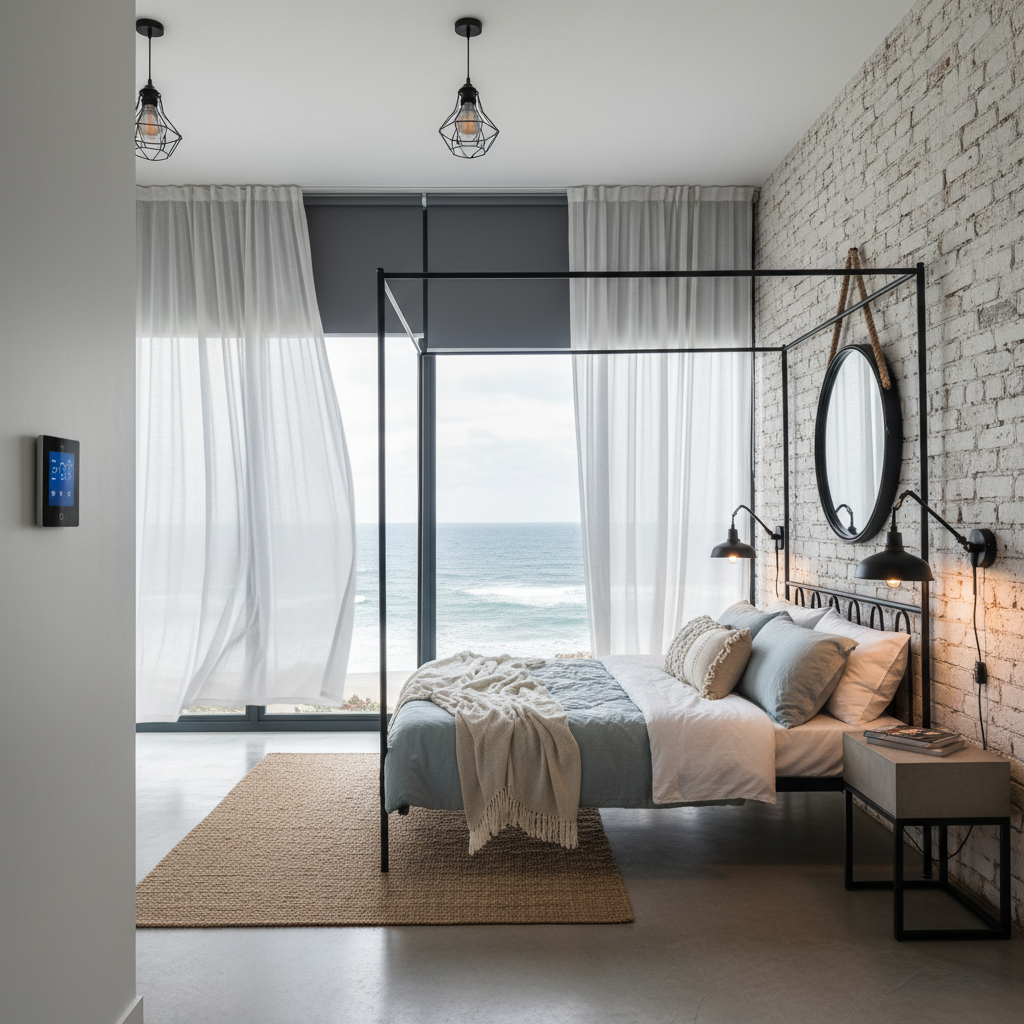
Potomac Home Office Window Treatments: Glare, Privacy, Efficiency
Potomac Home Office Window Treatments: Glare, Privacy, Efficiency
Executive Summary (TL;DR)
For new construction homes in Potomac, MD, creating an optimal home office environment demands precise window treatments that manage light, ensure privacy, and enhance energy efficiency. This guide details the technical considerations, from R-value to SHGC, to select solutions that prevent screen glare, maintain comfort, and support productivity in your dedicated workspace.
Local Context
As spring 2026 unfolds, the burgeoning landscape of Potomac, MD, is dotted with magnificent new construction homes, many nearing completion. Families moving into these pristine properties, from sprawling estates near Great Falls to modern designs in the heart of Potomac, are increasingly prioritizing dedicated home office spaces from day one. The shift to remote and hybrid work is a permanent fixture, making a well-designed, comfortable, and efficient home workspace not just a luxury, but a necessity. Homeowners in these areas, much like those in McLean or Bethesda, face unique challenges: managing abundant natural light through large windows, maintaining privacy in open-concept designs, and ensuring year-round thermal comfort against the DC Metro's fluctuating climate. Shore Shades & Finishes understands these hyper-local needs, providing bespoke solutions that integrate seamlessly with the sophisticated aesthetics of Potomac's new architectural styles.
Technical Deep Dive
Creating the ideal home office environment hinges on a nuanced understanding of building science principles, particularly as they apply to fenestration (windows). The primary challenges are light control, thermal regulation, and acoustic dampening, all influenced by your chosen window treatments.
Light Control and Glare Mitigation: The sun's path, especially in east or west-facing offices, can cause significant glare on computer screens, leading to eye strain and reduced productivity. Window treatments must offer precise light modulation. This isn't just about blocking light; it's about diffusing it. Materials with a high Visible Light Transmittance (VLT) but low glare index are ideal. For instance, certain shades can filter harsh direct sunlight, transforming it into soft, ambient light without sacrificing the view. The ability to precisely adjust treatments, especially with motorized window treatments, allows for dynamic control throughout the day, adapting to changing light conditions.
Thermal Regulation and Energy Efficiency: Windows are often the weakest link in a home's thermal envelope, leading to significant heat loss in winter and heat gain in summer. This is where technical specifications like R-value and U-factor become critical. The R-value measures a material's resistance to heat flow; a higher R-value indicates better insulation. Conversely, the U-factor measures the rate of heat transfer through a material; a lower U-factor means less heat loss or gain. For new construction in Potomac, where energy efficiency is often a selling point, selecting treatments with high R-values (or low U-factors) can significantly reduce HVAC load. Cellular shades, for example, trap air in their honeycomb pockets, creating an insulating barrier that can dramatically improve a window's overall R-value. This is particularly important for homes with large expanses of glass, common in modern architectural styles found in Reston or sun-drenched high-rises in Tysons.
Solar Heat Gain Coefficient (SHGC): Beyond insulation, managing solar heat gain is paramount. The SHGC measures how much solar radiation (heat) passes through a window and is absorbed by the interior. A lower SHGC means less solar heat gain, which is crucial for keeping a home office cool in the summer without over-relying on air conditioning. For south and west-facing windows, treatments with a low SHGC are essential to prevent overheating. Certain screen shades or even specific types of custom blinds can effectively block solar radiation while still allowing some outward visibility.
Privacy and Acoustic Benefits: A home office requires a degree of privacy, both visual and sometimes acoustic. Treatments like plantation shutters offer excellent privacy control with adjustable louvers, allowing light in while obscuring views. Layered treatments, combining a sheer shade with a blackout drape, provide ultimate flexibility. While not their primary function, some treatments, particularly those with thicker fabrics or cellular structures, can offer a marginal improvement in sound dampening, creating a quieter workspace. The precise fit of an inside-mount treatment minimizes light gap and enhances both privacy and thermal performance, a critical detail for discerning homeowners.
Product Comparison Table
| Treatment Type | Insulation Rating (R-value) | Solar Heat Gain Coefficient (SHGC) | Privacy Level | Best For |
|---|---|---|---|---|
| Cellular Shades (Double-Cell) | R-3.5 to R-5.0 | 0.20 - 0.35 | High (adjustable) | Maximum energy efficiency, light diffusion, sound dampening |
| Wood Blinds (2-inch slats) | R-1.5 to R-2.5 | 0.30 - 0.50 | Medium to High (adjustable) | Classic aesthetics, precise light direction, good privacy |
| Roller Shades (Solar/Blackout) | R-1.0 to R-2.0 | 0.05 - 0.50 (varies by fabric) | Low (solar) to Total (blackout) | Glare reduction, UV protection, minimalist design |
Pro-Tip: The DC Metro area's notorious humidity, especially during summer, can impact the longevity and performance of certain window treatment materials. Opt for moisture-resistant materials for areas prone to condensation, and always ensure proper ventilation. For historic Federal rowhouses in Capitol Hill or Georgetown, consider the unique window dimensions and architectural integrity; custom solutions are paramount to avoid light gap and maintain period authenticity.
Hyper-Local FAQ
How can I best manage intense afternoon sun and glare in my west-facing home office in Potomac, MD?
For west-facing windows in a Potomac home office, particularly those in newer, glass-walled construction, the afternoon sun can be relentless, causing significant glare and heat gain. The most effective solution involves treatments with a low Solar Heat Gain Coefficient (SHGC) and excellent light diffusion capabilities. Consider solar shades with an openness factor between 1% and 5% to drastically reduce glare and UV while maintaining some outward visibility. For ultimate control, combining these with blackout drapes or cellular shades offers flexibility. Motorized window treatments are highly recommended here, allowing you to program them to adjust automatically as the sun moves, ensuring consistent comfort and productivity without manual intervention. This is a common challenge for homes in areas like Reston and Tysons with modern, expansive windows, and Shore Shades & Finishes provides expert installation near me to address these specific needs.
What are the best window treatments for privacy in a ground-floor home office in Chevy Chase or Arlington, without sacrificing natural light?
Maintaining privacy in a ground-floor home office in bustling areas like Chevy Chase or Arlington, especially in a Colonial or Cape Cod style home, requires a strategic approach. Solutions like top-down/bottom-up cellular shades or Roman shades are ideal. These allow you to lower the shade from the top, letting natural light flood the upper portion of the window while keeping the lower portion covered for privacy. Another excellent option is café-style plantation shutters, which cover only the bottom half of the window, offering privacy where it's most needed while leaving the top open for light and views. For homes with historic charm, custom wood blinds with adjustable slats can also provide a good balance of light and privacy. Shore Shades & Finishes offers a free consultation to help homeowners in these areas find the perfect balance.
How can I improve the energy efficiency of my home office windows in an older Georgetown or Old Town Alexandria home?
Older homes in Georgetown or Old Town Alexandria, often historic Federal rowhouses, present unique challenges for energy efficiency due to original, sometimes single-pane, windows. While window replacement is an option, it's often costly and restricted by historical preservation guidelines. High-performance window treatments can significantly improve thermal performance. Double-cell or triple-cell cellular shades offer the highest R-value, creating an insulating air pocket that dramatically reduces heat transfer, thus lowering your U-factor. Adding interlining to custom drapes can further enhance insulation and acoustic dampening. For a truly integrated solution, consider inside-mount treatments to minimize light gap, ensuring a snug fit that prevents air infiltration. Shore Shades & Finishes specializes in custom solutions for these unique architectural styles, ensuring both historical accuracy and modern energy efficiency for our clients near me. Call us at (301) 923-4477 for a personalized assessment.
Explore More from Shore Shades
Ready to Transform Your Windows?
Schedule a free in-home design consultation with Shore Shades & Finishes. Call us at (301) 923-4477 or book online.
Get Your Free ConsultationFeatured Articles
How to Choose the Right Window Treatments for Your Home
A comprehensive guide to selecting the perfect blinds, shades, or shutters for every room.
Energy Efficient Window Treatments: Save Money and Stay Comfortable
Discover how the right window treatments can reduce your energy bills year-round.
Child Safe Window Treatments: A Parent's Guide
Essential safety tips and cordless options to protect your family.