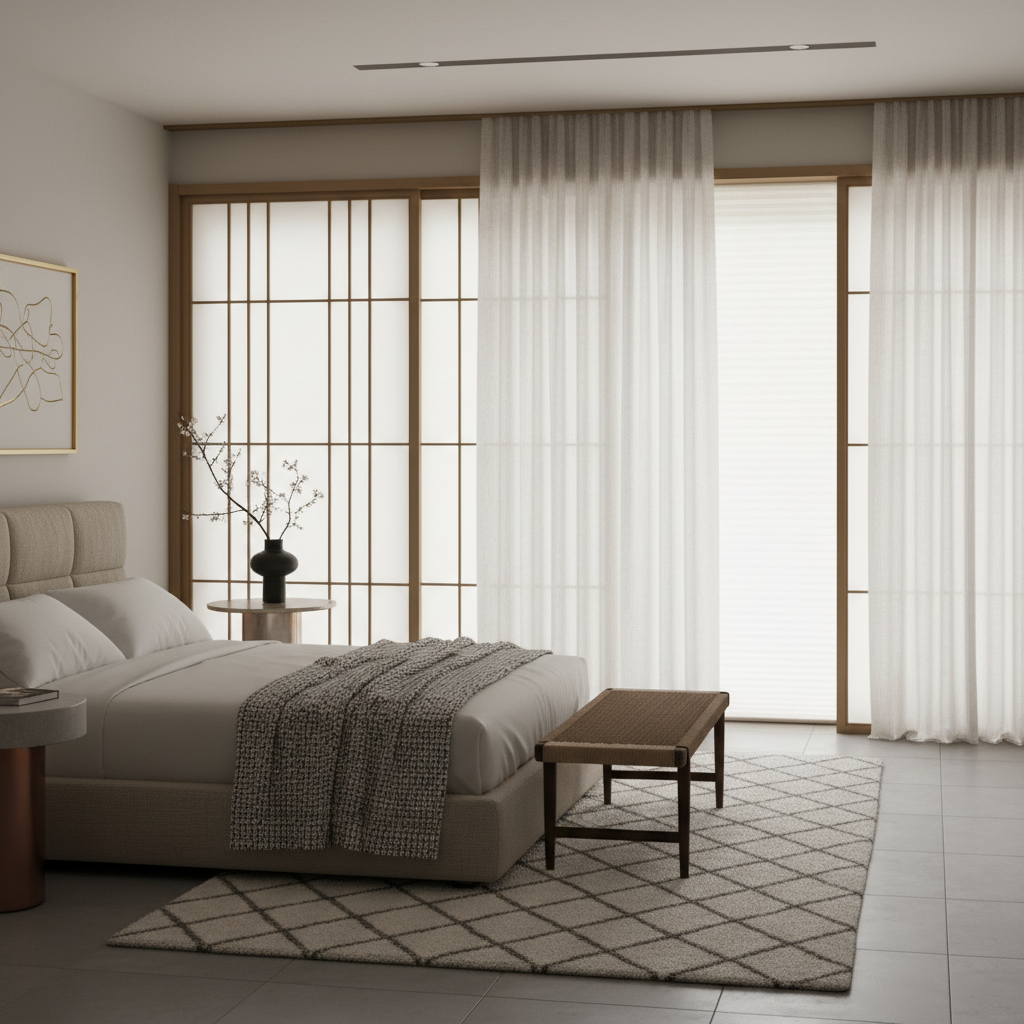
Dupont Circle Solar Shades: UV Protection & Glare Reduction Guide
Executive Summary (TL;DR)
As Dupont Circle undergoes a vibrant revitalization, homeowners face the challenge of protecting newly renovated interiors from the intense DC sun without sacrificing natural light or views. Advanced shades, specifically solar shades, offer an ideal solution, providing superior UV protection to prevent fading of furnishings, significantly reducing glare on screens, and contributing to overall energy efficiency by managing solar heat gain.
Local Context
Dupont Circle, with its iconic traffic circle, historic Federal rowhouses, and grand Beaux-Arts buildings, is experiencing a notable renaissance. From the stately homes lining Massachusetts Avenue to the bustling commercial corridors near Connecticut Avenue, new boutique businesses are opening, and many historic residences are undergoing modern renovations. This influx of development and renewed interest is bringing more residents and activity to the area, making the preservation of interiors from the harsh DC sun a top priority. Homeowners in Dupont Circle, much like those in nearby Georgetown or Old Town Alexandria, are seeking sophisticated window treatment solutions that complement their properties' classic charm while addressing contemporary needs for comfort and protection. The intense summer sun, particularly on south and west-facing windows, can quickly degrade fabrics, artwork, and wood finishes, making effective solar management not just a luxury, but a necessity for preserving these valuable investments.
Technical Deep Dive
Understanding how solar shades work requires a grasp of fundamental building science principles, particularly concerning light, heat, and insulation. The primary objective of a solar shade is to manage the solar radiation that enters a building through its windows. This radiation consists of visible light, ultraviolet (UV) light, and infrared (IR) light, all of which contribute to interior heat gain and material degradation.
Solar shades are typically constructed from specialized fabrics woven with varying degrees of openness, ranging from 1% to 14%. This openness factor dictates how much visible light, UV radiation, and heat can penetrate the window. A lower openness factor means a tighter weave, offering greater UV protection and glare reduction, but also slightly less outward visibility. Conversely, a higher openness factor allows more light and view, with slightly less solar control.
UV Protection: One of the most critical functions of solar shades is filtering harmful UV radiation. Even clear glass blocks some UV, but a high-quality solar shade can block 95% to 99% of UV rays. This is paramount for preventing the fading and deterioration of interior furnishings, flooring, and artwork, a common concern for homeowners in sun-drenched homes across Bethesda and McLean.
Solar Heat Gain Coefficient (SHGC): This metric quantifies how much solar radiation is admitted through a window, either directly transmitted or absorbed and re-radiated inward. SHGC values range from 0 to 1, where lower values indicate less solar heat gain. A typical single-pane window has an SHGC of around 0.85, meaning 85% of solar heat enters. Adding a high-performance solar shade can drastically reduce this, often bringing the effective SHGC down to 0.25 or even lower, significantly reducing the load on HVAC systems during peak summer months. This directly translates to energy savings, a key consideration for the energy-conscious homeowner.
U-factor: While solar shades primarily address solar heat gain, they also contribute to a window's overall U-factor, which measures the rate of heat transfer through a window assembly. A lower U-factor indicates better insulating properties. While solar shades are not designed for significant thermal insulation like cellular shades (which boast higher R-values), they do create a thin air pocket between the shade and the glass. This air pocket acts as a minor thermal barrier, slightly improving the effective U-factor and reducing heat loss in winter and heat gain in summer. This subtle yet continuous effect contributes to a more stable indoor temperature, reducing the need for constant thermostat adjustments.
Glare Reduction: The woven fabric of solar shades diffuses incoming sunlight, effectively reducing harsh glare without completely darkening a room. This is particularly beneficial for homes with south or west-facing windows, or for residents in sun-drenched high-rises in Tysons or glass-walled new construction in Reston who spend significant time on computers or watching television. The ability to maintain an outward view while eliminating blinding light is a key advantage.
Light Gap & Inside-mount: For optimal performance, especially in historic Federal rowhouses where window frames can be less uniform, precise measurement and installation are crucial. An inside-mount installation, where the shade fits snugly within the window frame, minimizes the light gap around the edges, maximizing solar control and privacy. Our team at Shore Shades & Finishes ensures meticulous measurements to achieve the tightest fit possible, even in challenging architectural contexts.
Product Comparison Table
| Treatment Type | Insulation Rating (R-value) | Solar Heat Gain Coefficient (SHGC) | Privacy Level | Best For |
|---|---|---|---|---|
| Solar Shades | 1.0 - 2.0 | 0.25 - 0.40 | Low to Medium | UV protection, glare reduction, view preservation |
| Cellular Shades | 2.0 - 5.0 | 0.20 - 0.50 | Medium to High | Energy efficiency, insulation, light control |
| Wood Blinds | 1.0 - 2.0 | 0.30 - 0.60 | Medium to High | Classic aesthetic, adjustable light, privacy |
Pro-Tip: The DC metro area experiences significant humidity fluctuations, especially during summer. When selecting solar shades for your Dupont Circle home, consider fabrics that are mold and mildew resistant. Furthermore, the intense afternoon sun from July to September can create uncomfortable hot spots. Opting for a lower openness factor (3% or 5%) on west-facing windows will provide superior heat and glare control without completely sacrificing your view of the tree-lined streets. This strategic choice is vital for maintaining comfort and protecting interiors in our unique climate.
Hyper-Local FAQ
How do solar shades impact the historic aesthetic of a Federal rowhouse in Dupont Circle?
Many homeowners in Dupont Circle are concerned about preserving the architectural integrity of their historic Federal rowhouses. Solar shades, when chosen carefully, can be an excellent complement. Their sleek, minimalist design allows them to recede into the window frame, especially when installed with an inside-mount technique. We offer a wide range of fabric colors and textures, from subtle neutrals to more textured weaves, that can blend seamlessly with traditional interiors while providing modern performance. Unlike bulky draperies, solar shades maintain clean lines and do not detract from original millwork or window casings. The minimal stack-back when fully raised ensures that the window opening remains largely unobstructed, preserving the classic look and feel.
Can solar shades help reduce my energy bills in my Arlington condo during the summer?
Absolutely. Solar shades are highly effective at mitigating solar heat gain, which is a primary contributor to increased cooling costs, particularly in south and west-facing units in high-rises. By blocking a significant portion of solar radiation before it enters your living space, solar shades reduce the workload on your air conditioning system. This is especially beneficial in areas like Arlington and Reston, where modern condos often feature large windows. The Solar Heat Gain Coefficient (SHGC) of a window treatment is a direct indicator of its ability to block heat. High-performance solar shades can dramatically lower the effective SHGC of your windows, leading to a noticeable reduction in energy consumption and a more comfortable indoor environment. For even greater energy savings and convenience, consider motorized window treatments that can be programmed to adjust automatically based on sun exposure.
What are the best options for maximizing UV protection for valuable art and furnishings in my Chevy Chase home?
For homeowners in Chevy Chase with valuable art collections, antique furnishings, or delicate fabrics, maximizing UV protection is paramount. Solar shades are an excellent choice, as many fabrics can block 95% to 99% of harmful UV rays. When selecting solar shades, look for fabrics with a very low openness factor (e.g., 1% or 3%) and a darker color on the exterior-facing side. Darker fabrics absorb more solar radiation, preventing it from entering the room, and often provide superior glare reduction. While they may slightly reduce visible light, the protection offered to your interiors is invaluable. For comprehensive protection, especially in rooms with direct, intense sunlight, pairing solar shades with custom blinds or drapes can offer a layered approach, allowing for maximum flexibility in light and UV control. Our team at Shore Shades & Finishes, your local window treatment experts near me, can guide you through the best fabric and openness factor choices to safeguard your cherished possessions. Call us at (301) 923-4477 for a free consultation to discuss your specific needs.
Explore More from Shore Shades
Ready to Transform Your Windows?
Schedule a free in-home design consultation with Shore Shades & Finishes. Call us at (301) 923-4477 or book online.
Get Your Free ConsultationFeatured Articles
How to Choose the Right Window Treatments for Your Home
A comprehensive guide to selecting the perfect blinds, shades, or shutters for every room.
Energy Efficient Window Treatments: Save Money and Stay Comfortable
Discover how the right window treatments can reduce your energy bills year-round.
Child Safe Window Treatments: A Parent's Guide
Essential safety tips and cordless options to protect your family.