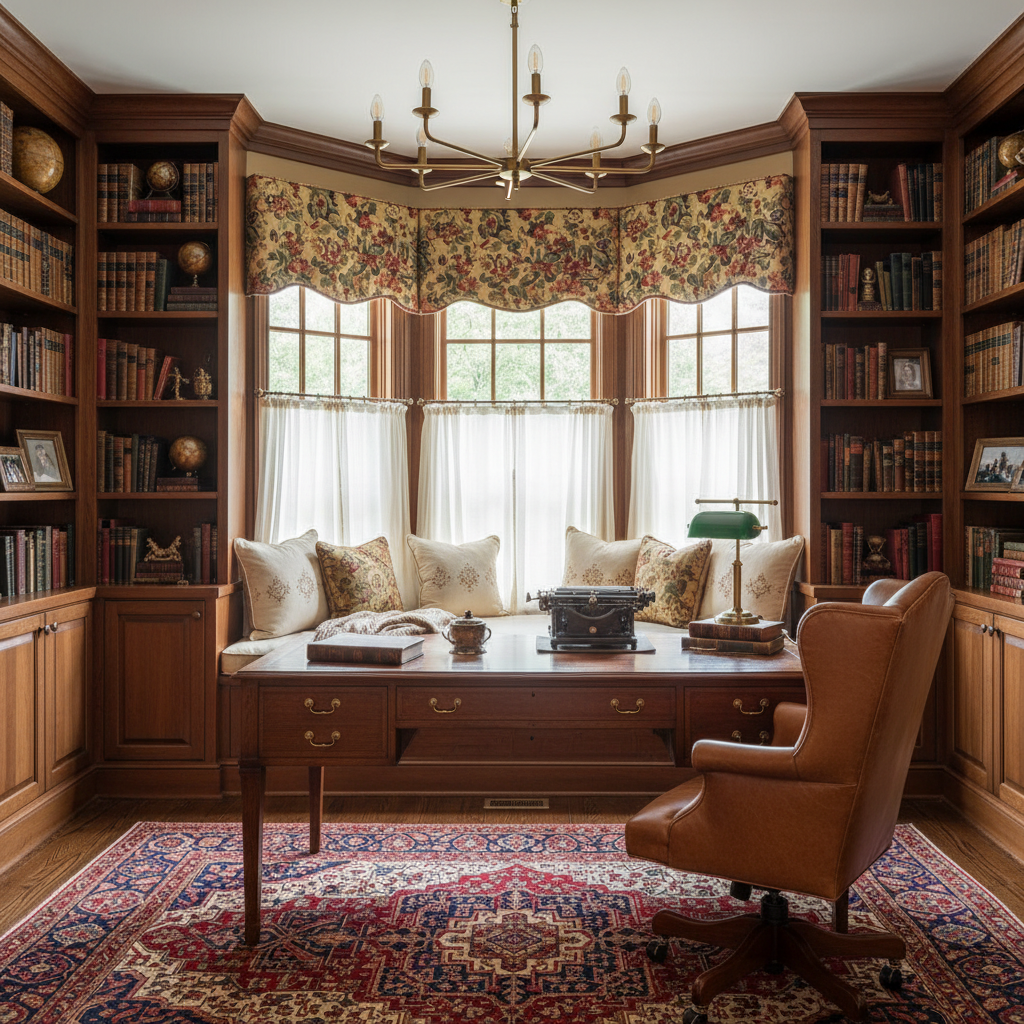
Definitive Guide: Custom Blinds for Thermal Performance in Vienna, VA
Executive Summary (TL;DR)
For Vienna, VA homeowners, custom blinds offer an indispensable solution for precise light control and superior thermal management, crucial as spring transitions into warmer months. These treatments significantly reduce solar heat gain and enhance energy efficiency, protecting interiors while maintaining comfortable indoor temperatures.
Local Context
Spring's arrival in Northern Virginia, particularly in areas like Vienna, McLean, and Arlington, brings longer daylight hours and a noticeable uptick in solar intensity. Homeowners in these communities, from the charming Cape Cods near Meadowlark Botanical Gardens to the modern new constructions in Tysons, are keenly aware of the need to manage this increased light and heat. With the local real estate market remaining robust, investing in upgrades that enhance both comfort and property value, such as high-performance window treatments, is a strategic move. The challenge isn't just about blocking light, but intelligently filtering it to prevent glare, protect valuable furnishings from UV degradation, and maintain optimal indoor temperatures without over-relying on air conditioning. Our clients, whether in a historic Federal rowhouse in Georgetown or a sprawling Colonial in Great Falls, consistently seek solutions that blend sophisticated design with measurable energy savings, making custom blinds a top choice for their versatility and efficacy.
Technical Deep Dive
Understanding the physics behind effective window treatments is key to making informed decisions for your Vienna home. Windows are often the weakest link in a building's thermal envelope, accounting for a significant portion of heat loss in winter and heat gain in summer. This is where custom blinds, particularly those engineered with thermal properties, become critical.
Solar Heat Gain Coefficient (SHGC): This metric quantifies the fraction of solar radiation admitted through a window, either directly transmitted or absorbed and re-radiated inward. A lower SHGC indicates less solar heat gain. Custom blinds, especially those with reflective or opaque materials, can drastically lower a window's effective SHGC. For instance, a light-colored, tightly woven blind can reflect a substantial portion of incident solar radiation, preventing it from entering the living space as heat. This is particularly important for south and west-facing windows in homes across Reston and Old Town Alexandria, which receive intense, direct sunlight for extended periods.
R-value (Insulation Rating) and U-factor (Heat Transfer Coefficient): While windows themselves have an R-value, window treatments can significantly augment this. R-value measures a material's resistance to heat flow; a higher R-value means better insulation. Conversely, U-factor measures the rate of heat transfer through a material; a lower U-factor indicates better insulating properties. Custom blinds, especially cellular or honeycomb blinds, create air pockets that act as an insulating layer between the window pane and the room. This trapped air reduces convective heat transfer, effectively increasing the overall R-value of the window assembly and lowering its U-factor. This is crucial for maintaining stable indoor temperatures, reducing the load on your HVAC system, and lowering energy bills, a benefit highly valued by homeowners in Bethesda and Chevy Chase.
Light Control and UV Protection: Beyond thermal performance, custom blinds offer unparalleled control over natural light. Features like adjustable slats on horizontal custom blinds allow for precise angling, diffusing harsh sunlight while still admitting ambient light. This mitigates glare, a common issue in sun-drenched high-rises in Tysons, and protects valuable interior finishes, artwork, and furniture from harmful ultraviolet (UV) radiation. UV rays are a primary cause of fading and degradation of fabrics, wood, and paint. Many high-quality blind materials are designed with UV-resistant properties, acting as a critical barrier against this damage. The ability to precisely manage light also impacts visual comfort and privacy, particularly for inside-mount installations where minimizing the light gap is essential.
Material Science: The choice of material directly impacts performance. Aluminum blinds with a low-emissivity coating can reflect heat. Wood and faux wood blinds offer natural insulation due to their density. Fabric blinds, especially those with a metallized backing, can provide significant thermal benefits. The stack-back of the blind when open also influences how much light is admitted and how much view is preserved, a design consideration for every project, from a cozy bungalow in Falls Church to a grand estate in Potomac.
Product Comparison Table
| Treatment Type | Insulation Rating (R-value) | Solar Heat Gain Coefficient (SHGC) | Privacy Level | Best For |
|---|---|---|---|---|
| Aluminum Blinds (2") | 1.5 - 2.0 | 0.25 - 0.40 | Adjustable, good | Modern aesthetics, precise light control, durability |
| Faux Wood Blinds (2.5") | 2.0 - 2.5 | 0.20 - 0.35 | Adjustable, excellent | High humidity areas, classic look, robust thermal barrier |
| Cellular Blinds (Double Cell) | 3.5 - 5.0 | 0.15 - 0.25 | Excellent, full blackout options | Maximum energy efficiency, superior insulation, sound dampening |
Pro-Tip: In the DC Metro area, particularly in Vienna, the high summer humidity can be a significant factor. While faux wood custom blinds are excellent for moisture resistance, ensure any fabric shades or draperies you choose are mold and mildew resistant, especially in basements or bathrooms. Proper air circulation and material selection are key to preventing issues in our notoriously muggy climate.
Hyper-Local FAQ
How can custom blinds improve energy efficiency in my Vienna home, especially with rising utility costs?
Custom blinds, particularly those with high R-values and low SHGC, significantly reduce heat transfer through your windows. In Vienna, where summers can be hot and humid, and winters surprisingly cold, this translates directly to lower energy bills. By blocking solar heat gain in the summer, your air conditioning works less, and by providing an insulating layer in winter, your heating system faces less strain. For a homeowner in a Colonial-style home in Vienna, choosing cellular shades or insulated custom blinds can make a tangible difference in maintaining a comfortable indoor climate year-round, reducing your reliance on expensive HVAC systems. We often see a measurable impact, especially on south and west-facing windows that bear the brunt of the sun's intensity.
What are the best custom blind options for homes in McLean or Great Falls that need both privacy and natural light management?
For discerning homeowners in McLean or Great Falls, balancing privacy with natural light is a common design challenge, especially in properties with large windows or those near busy thoroughfares. Adjustable slat custom blinds, whether wood, faux wood, or aluminum, are ideal. Their ability to tilt allows you to direct natural light upwards or downwards, maintaining privacy from street level while still illuminating the room. For ultimate flexibility, consider dual-layer systems or top-down/bottom-up cellular shades which offer privacy at the lower portion of the window while allowing light to stream in from above. This is particularly effective for homes in Great Falls with expansive views that you want to preserve while still ensuring seclusion in the evenings.
I live in a historic home in Old Town Alexandria. How can custom blinds blend with its architectural style while offering modern thermal benefits?
Historic homes in Old Town Alexandria, often featuring classic Federal or Georgian architecture, require window treatments that respect their heritage while delivering contemporary performance. For these residences, real wood custom blinds or premium faux wood blinds are an excellent choice. They offer the timeless aesthetic of traditional shutters or venetian blinds, with a wide range of stains and paint finishes to match existing millwork. When installed inside-mount, they maintain the architectural integrity of the window frame. While providing a classic look, these blinds also offer significant thermal benefits, especially when paired with a tight fit to minimize light gap and air infiltration. For homes where automation is desired, our motorized window treatments can be seamlessly integrated, offering convenience without compromising the historic charm. Shore Shades & Finishes, your local expert near me, specializes in custom solutions that honor the past while embracing the future of home comfort. Call us at (301) 923-4477 for a free consultation to discuss your specific needs.
Explore More from Shore Shades
Ready to Transform Your Windows?
Schedule a free in-home design consultation with Shore Shades & Finishes. Call us at (301) 923-4477 or book online.
Get Your Free ConsultationFeatured Articles
How to Choose the Right Window Treatments for Your Home
A comprehensive guide to selecting the perfect blinds, shades, or shutters for every room.
Energy Efficient Window Treatments: Save Money and Stay Comfortable
Discover how the right window treatments can reduce your energy bills year-round.
Child Safe Window Treatments: A Parent's Guide
Essential safety tips and cordless options to protect your family.